

Where do you start planning a wedding? 6 steps to set you on your way
Where do you even start planning a wedding? If you’ve recently got engaged, it can feel like there’s a long road ahead to get from where you are now to newlyweds heading off on a honeymoon. Wedding planning is best approached step by step, with dedicated time in your week to spend energy on it – otherwise it quickly becomes a full-time job (which, for me, it really is!). I’ve laid out the first 6 steps you should follow, 5 of which you should do before you even start thinking about venues, photographers or what colour napkins you want to have.
Start here when planning a wedding:
Step 1 – how long is a piece of string?
First things first, you need to get familiar with how much you are comfortable paying for your wedding. I know it feels impossible to say because you’ve literally never planned one before, but you honestly cannot start doing anything else until you’ve thought about your budget – or at least what ballpark you want to be in. Your budget will determine everything else, from whether you work with a planner to which venue you choose and how much you have left over for your suppliers.
Weddings can cost any amount of money – literally ten thousand to ten million and everything in between – so your first job is to sit down with your partner and have a conversation about this. If family members have offered to contribute financially to your wedding, have this conversation with them too. Remember an ‘ish’ budget is better than no idea at all, and it can always be flexible once the planning is underway.

Step 2 – who’s made it onto the list?
Next up is to start thinking about your guest list. At this point it doesn’t have to be precise, complete or perfectly organised, but you do need to get an idea of numbers. Once you start writing or typing out the names of everyone you’d like to invite, you’ll start to get a picture of whether it will be an intimate wedding or a big celebration.
You’ll need to have this rough number in mind when you start enquiring with wedding venues and planners – venues have capacities, and it is so disappointing to fall in love with a place online only to find it can’t hold your guest numbers.
Don’t forget that your budget can also influence your guest numbers. Catering can become one of the biggest costs associated with a wedding, and is usually charged per head. The quickest way to bring your total spend down, if you don’t want to compromise on the things you’re booking, is to reduce your guest numbers. I recommend making a list that includes ‘VIP’ and ‘must invite’ guests, and others who would be nice to have there but could be left off the list if necessary.
I’ll be honest: guest lists can be tricky. You’ll likely find yourself caught up in thoughts of who you ‘should’ invite, wondering whether your single friends should get a plus one, and if so-and-so’s kids will make the cut. My advice is to get brutally honest with yourselves – are you thinking of inviting this person because you love them and want them there for such a special occasion, or because you’ll feel bad if you don’t? Your gut will tell you the answer.


Step 3 – what’s the vibe?
What kind of atmosphere do you want to create at your wedding? Is the vibe more alternative city-chic or English countryside weekend? Make sure you and your partner are aligned on this – it’s key you are both really on board with the style you want to go for. Once you’ve got an idea of this, you’ll start to be able to think about the location for your wedding.
Maybe you’ve always pictured getting married at that vineyard you visited on your first holiday together, at the rural family estate, or on a riverboat in London. This is how you begin to move towards creating a shortlist of venues to visit.
For inspiration, take a look at:
- My favourite ‘cool’ wedding venues in London
- The best venues for a countryside weekend wedding
- Orangery venues you shouldn’t miss, close to London
Or perhaps you’re looking overseas, in which case one of these Sicilian wedding venues might catch your eye.

Step 4 – choose your season
What is your ideal time of year to get married? Maybe you’ve been dreaming about:
- a cosy, candlelit winter wedding,
- a Highland fling surrounded by the colours of autumn,
- or a quintessentially summery celebration.
As well as the season (which ties into the vibe you identified earlier), consider whether term times and school holidays are going to be important for your guest list. For example, if you have a nephew in America and a niece in England, July could be a good month as it’s school holidays for both countries.
Try not to worry about everyone else too much – it’s your special day, so getting weighed down about your second-cousin-twice-removed not getting the time off work definitely doesn’t need to happen. You will undoubtedly have high priority guests, however, and if you want them present at your wedding you should give some thought to their schedules.
Read about why I don’t recommend planning your wedding between Christmas and New Year.


Step 5 – non negotiables
This step can be really fun, as it might be the first time you start to dream about details and really connect with personalising your wedding. Sit down together and think about your non negotiables for your celebration – this can be things you absolutely must have, but also things you absolutely don’t want.
For example, you might say it must be at a venue that allows real flame candles, has a great view, and you’ll eat beef wellington for your main course. Or it might be that you want an epic band, would love a peony bouquet, and want it to take place in central London. On the other hand, you might know that you definitely don’t want anything in the colour red, and absolutely no ABBA played on the dancefloor.
Once you’ve done this, take a moment to go back and sense-check it against steps 3 and 4 – do your non negotiables line up with your ideas about the vibe and time of year for your wedding? When all of this aligns, that’s where the magic happens.

Step 6 – planning and/or coordination support
A wedding planner may feel like a luxury, but having professional support for your wedding is vital. I can wholeheartedly promise you that nobody has ever said ‘I wish I hadn’t hired a wedding planner and had done the whole thing myself!’. Once you and your partner have had these initial conversations, you can then start reaching out to wedding planners to see who might be a good fit to bring everything together for you.
If you’re not working with a planner, I really encourage you to at least consider bringing on a coordinator for the big day itself – I can recommend Occasion Queens, who offer this service and do it really well! Nobody wants to be laying their own menu cards or taking phone calls from suppliers on the morning of their wedding, and as helpful as your venue’s wedding team might seem, they are primarily there for the venue, not you.

If you are looking for a planner (good call!), take a look at my top tips for picking the best one to suit you. You can, of course, also get in touch to check our availability:
You might also need to know:
How far in advance should I start planning my wedding?
Before you do any date-setting or planning, make sure you bask in the newly engaged glow for a while – then, when you’re ready, revisit step 4 as a starting point to decide what time of year you’d like to get married. Let’s say it’s January now and you want a summer wedding – it’s not too late to start planning for the coming summer, and the following summer will also work.
Planning about a year in advance is a good, comfortable timeline for you and your planner, but if you have an unusually short or long lead time in mind (just a few weeks or more than a year and a half), check with your planner what is realistic and achievable. I’ve planned weddings from 18 months out to just 9 days out, however most of our couples booked about a year out.
Find out more about short notice wedding planning.
What is the first thing you should book for a wedding?
I strongly recommend booking your wedding planner first, before your venue or photographer or the live illustrator you’ve been following on Instagram for months. I go into the reasons why in much more detail in this blog, but in summary it’s the best way to get the absolute most value out of your planner, and ensures your wedding planning journey starts calmly and with the right first decisions.
Next up you would normally book your venue (without this and a wedding date, your suppliers can’t commit) and then move onto key suppliers such as catering, florals and photographers. We work with our clients to ensure their priority suppliers are booked first, and this looks different for different couples. For some, a big band might be super important while another client may have a focus on florals – depending on this, we will prioritse who to book next.
Should I book my wedding planner or venue first?
Your wedding planner, 100/100 times! See above.

How do you find your wedding venue?
If you are working with a wedding planner, you’ll build a picture together of all the important factors to consider within your venue search – everything in steps 1-5 of this blog and more. Your planner can then bring you an initial shortlist of venues that fit your brief, including being the right size, vibe and location for what you want. After this initial list is presented, you’ll visit the strongest contenders with your wedding planner.
To get started with some inspiration, refer back to step 4 for just some of my wedding venue guides..
How do you choose your wedding photographer?
So glad you asked – I have a whole blog about this to guide you through the process.
How much do weddings cost?
How much do you want your wedding to cost? Step 1 in this blog is all about deciding on your budget, which really is as long as a piece of string. Once you’ve decided on your ballpark figure, your planner can help you understand what can and can’t be done for different amounts within that range – and will also help you maximise the budget you have, prioritise where you should spend, and match you up with suppliers that fit.
As a guide, if you are looking at any wedding in our portfolio the starting budgets are around £80k, with multiday events normally upwards of £120k. As I said before, you can absolutely do a wedding on any budget and shouldn’t feel pressured that you have to spend that much. You could certainly plan a wedding for much less and work with a coordinator rather than a full planner.
If you are looking to spend upwards of £100k and work with a full service wedding planner, then do get in touch – I’d love to hear more about the vision for your special day and discuss how we might be able to help.

What a Luxury Wedding Planner Does Behind the Scenes: A Real Wedding Day Story
The Hour Before: How We Saved E&O's Most Precious Ceremony Moment An hour before E&O's
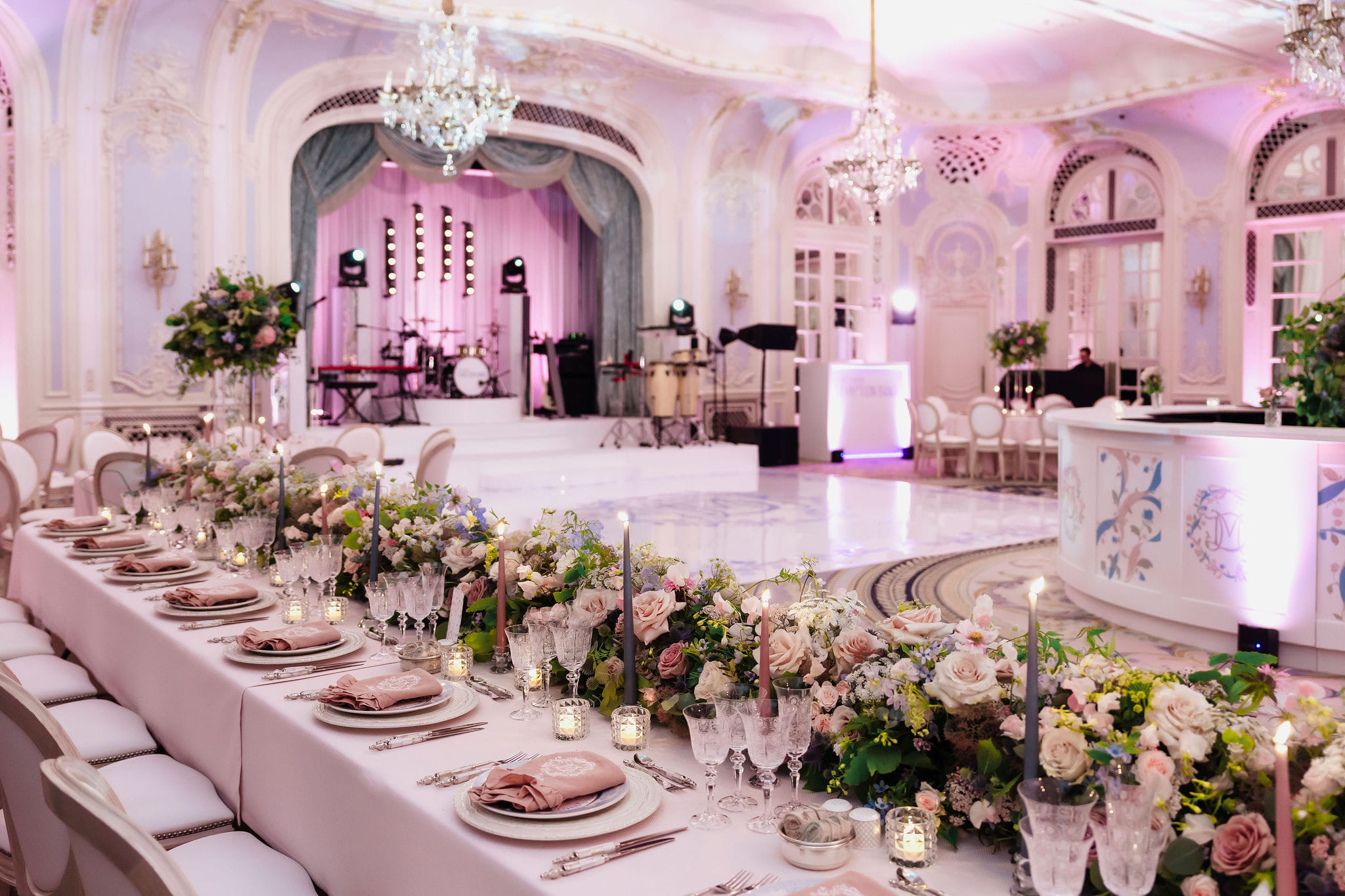
How To Make a Wedding at The Savoy, London Feel Unique
For couples planning a London wedding, a luxury London hotel venue like The Savoy

Can You Use AI To Plan Your Wedding?
AI is creeping into all areas of our lives, so it was only a